Premium Phosphosite-Specific 7TM Antibodies
Your Resource for GPCR Research
Select Your Country of Delivery below

Prokineticin Receptor 1 Antibodies

Close filters
No results were found for the filter!
NEW
PKR1 (non-phospho), PKR1 Prostanoid Receptor Antibody-Copy
PKR1 (non-phospho), PKR1 Prostanoid Receptor...
The non-phospho-PKR1 receptor antibody is directed against the distal end of the carboxyl-terminal tail of human PKR1. It can be used to detect total PKR1 receptors in Western blots independent of phosphorylation.The PKR1 antibody can...
CHF400.00 *

Prokineticin receptor type 1 (PKR1), encoded by PROKR1, is a class A G protein-coupled receptor activated by the endogenous peptides prokineticin-1 and prokineticin-2. PKR1 can couple to Gq/11, activating phospholipase C and increasing intracellular calcium. It is expressed predominantly in peripheral tissues, including the heart and gastrointestinal tract, and has been detected in vascular endothelial cells and macrophages. In preclinical cardiovascular models, PKR1 activation promotes angiogenesis and supports cardiomyocyte survival. PKR1 also mediates prokineticin-induced macrophage chemotaxis, linking the receptor to inflammatory cell recruitment. The mechanisms governing PKR1 phosphorylation, desensitization, and trafficking remain incompletely characterized. The small molecule IS20 is a selective PKR1 agonist, and PC7 has been used as a PKR1 antagonist in preclinical studies. No PKR1-selective agonist or antagonist has been reported to enter clinical trials or receive approval for therapeutic use.

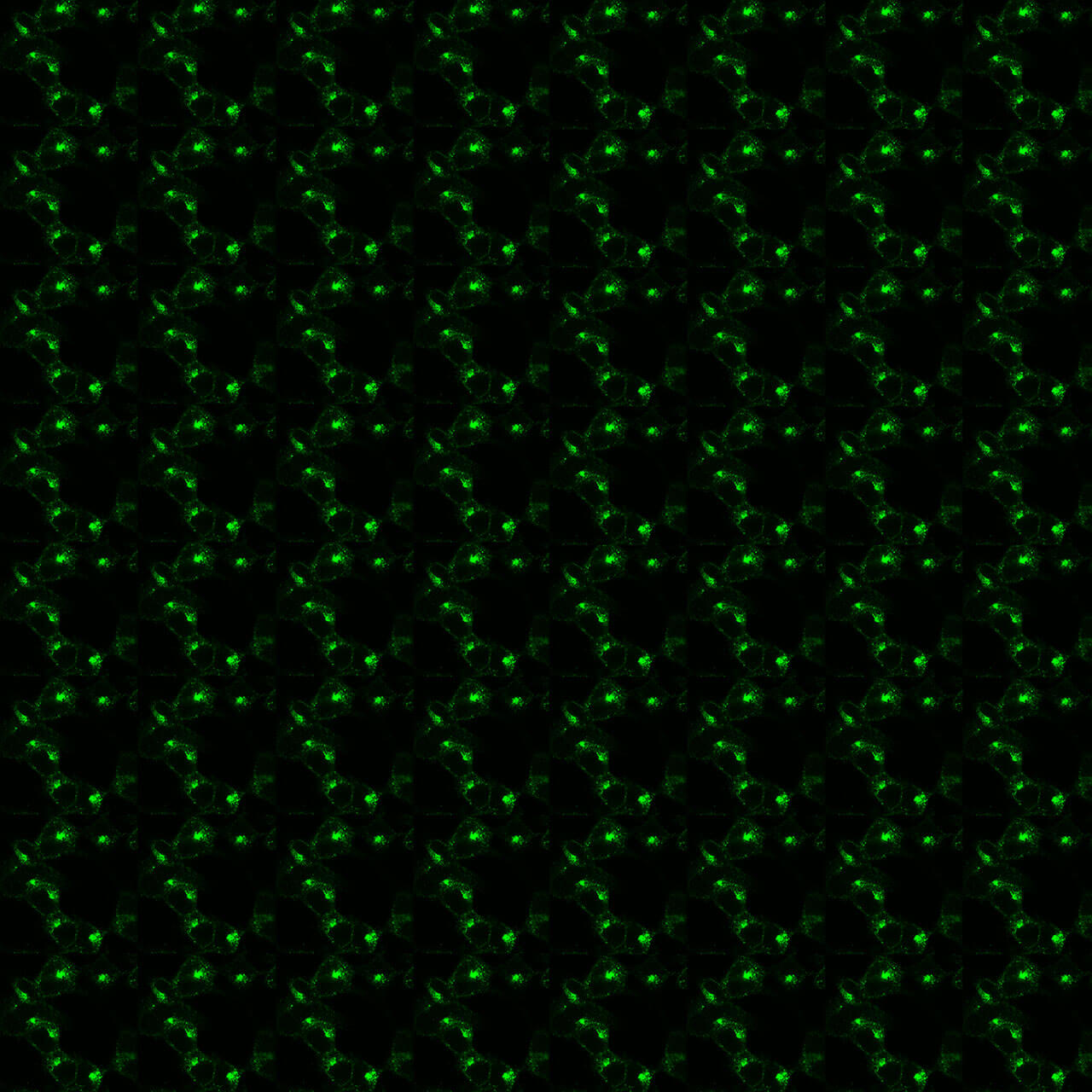
Prokineticin receptor type 1 (PKR1), encoded by PROKR1 , is a class A G protein-coupled receptor activated by the endogenous peptides prokineticin-1 and prokineticin-2. PKR1 can couple to Gq/11,... read more »
Close window
Prokineticin Receptor 1 Antibodies

Prokineticin receptor type 1 (PKR1), encoded by PROKR1, is a class A G protein-coupled receptor activated by the endogenous peptides prokineticin-1 and prokineticin-2. PKR1 can couple to Gq/11, activating phospholipase C and increasing intracellular calcium. It is expressed predominantly in peripheral tissues, including the heart and gastrointestinal tract, and has been detected in vascular endothelial cells and macrophages. In preclinical cardiovascular models, PKR1 activation promotes angiogenesis and supports cardiomyocyte survival. PKR1 also mediates prokineticin-induced macrophage chemotaxis, linking the receptor to inflammatory cell recruitment. The mechanisms governing PKR1 phosphorylation, desensitization, and trafficking remain incompletely characterized. The small molecule IS20 is a selective PKR1 agonist, and PC7 has been used as a PKR1 antagonist in preclinical studies. No PKR1-selective agonist or antagonist has been reported to enter clinical trials or receive approval for therapeutic use.

Recently viewed