Premium Phosphosite-Specific 7TM Antibodies
Your Resource for GPCR Research
Select Your Country of Delivery below

LPA Receptor Antibodies

Close filters
2 From 2
No results were found for the filter!
NEW
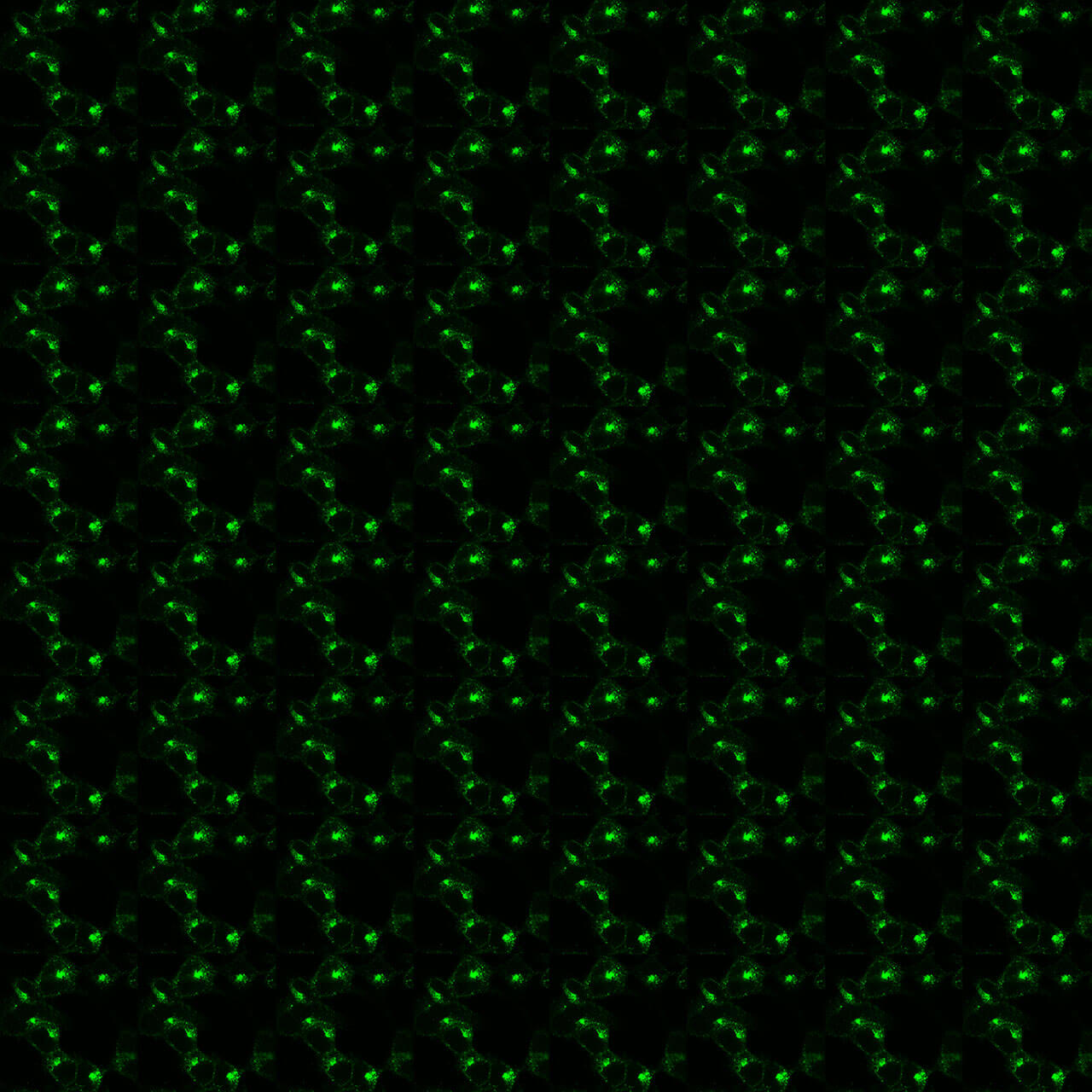
Validation of the Lysophosphatidic Acid Receptor 6 in transfected HEK293 cells.
LPA6 (non-phospho), Lysophosphatidic Acid...
The non-phospho-LPA6 receptor antibody is directed against the distal end of the carboxyl-terminal tail of human LPA6. It can be used to detect total LPA6 receptors in Western blots independent of phosphorylation. The LPA6 antibody can...
CHF400.00 *
NEW
Validation of the Lysophosphatidic Acid Receptor 4 in transfected HEK293 cells.
LPA4 (non-phospho), Lysophosphatidic Acid...
The non-phospho-LPA4 receptor antibody is directed against the distal end of the carboxyl-terminal tail of human LPA4. It can be used to detect total LPA4 receptors in Western blots independent of phosphorylation. The LPA4 antibody can...
CHF400.00 *
NEW
Validation of the Lysophosphatidic Acid Receptor 1 in transfected HEK293 cells.
LPA1 (GP-non-phospho), Lysophosphatidic Acid...
The non-phospho-LPA1 receptor antibody is directed against the distal end of the carboxyl-terminal tail of human LPA1. It can be used to detect total LPA1 receptors in Western blots independent of phosphorylation. The LPA1 antibody can...
CHF400.00 *
2 From 2

The lysophosphatidic acid (LPA) receptor family comprises six class A G protein–coupled receptors (LPA₁–LPA₆) that mediate cellular responses to the bioactive lipid lysophosphatidic acid (LPA). These receptors couple to diverse G proteins (Gq/11, Gi/o, G12/13, and Gs), activating downstream pathways such as RhoA, PLC, MAPK/ERK, PI3K/Akt, and cAMP, which regulate cell proliferation, survival, migration, cytoskeletal organization, and differentiation. Expression of LPA receptors varies by subtype: LPA₁–₃ are widely expressed in brain, lung, kidney, and reproductive tissues, while LPA₄–LPA₆ are enriched in endothelial cells, skin, bone, and specific epithelial or stem cell populations, reflecting specialized roles. Functionally, LPA receptors are central to embryonic development, vascular and neural development, wound healing, immune cell trafficking, and tissue remodeling, and their dysregulation contributes to fibrosis, neuropathic pain, cancer progression, and metabolic disorders. Pharmacologically, selective agonists and antagonists for individual LPA receptors have been developed, revealing both overlapping and receptor-specific effects, although ligand specificity and receptor cross-talk remain challenges. Collectively, the LPA receptor family serves as a key lipid-sensing signaling system, linking extracellular LPA to diverse physiological and pathological processes and representing a promising therapeutic target for fibrosis, inflammation, cancer, and developmental disorders. For more information on LPA receptor pharmacology please refer to IUPHAR database. For further reading refer to:

Chun J, Hla T, Lynch KR, Spiegel S, Moolenaar WH. International Union of Basic and Clinical Pharmacology. LXXVIII. Lysophospholipid receptor nomenclature. Pharmacol Rev. 2010 Dec;62(4):579-87. doi: 10.1124/pr.110.003111. PMID: 21079037; PMCID: PMC2993255.

Kihara Y, Maceyka M, Spiegel S, Chun J. Lysophospholipid receptor nomenclature review: IUPHAR Review 8. Br J Pharmacol. 2014 Aug;171(15):3575-94. doi: 10.1111/bph.12678. Epub 2014 Jul 12. PMID: 24602016; PMCID: PMC4128058.

Blaho V, Chun J, Herr D, Jones D, Jonnalagadda D, Kihara Y. Lysophospholipid (S1P) receptors in GtoPdb v.2023.1. IUPHAR/BPS Guide to Pharmacology CITE. 2023; 2023(1).

The lysophosphatidic acid (LPA) receptor family comprises six class A G protein–coupled receptors (LPA₁–LPA₆) that mediate cellular responses to the bioactive lipid lysophosphatidic acid (LPA).... read more »
Close window
LPA Receptor Antibodies

The lysophosphatidic acid (LPA) receptor family comprises six class A G protein–coupled receptors (LPA₁–LPA₆) that mediate cellular responses to the bioactive lipid lysophosphatidic acid (LPA). These receptors couple to diverse G proteins (Gq/11, Gi/o, G12/13, and Gs), activating downstream pathways such as RhoA, PLC, MAPK/ERK, PI3K/Akt, and cAMP, which regulate cell proliferation, survival, migration, cytoskeletal organization, and differentiation. Expression of LPA receptors varies by subtype: LPA₁–₃ are widely expressed in brain, lung, kidney, and reproductive tissues, while LPA₄–LPA₆ are enriched in endothelial cells, skin, bone, and specific epithelial or stem cell populations, reflecting specialized roles. Functionally, LPA receptors are central to embryonic development, vascular and neural development, wound healing, immune cell trafficking, and tissue remodeling, and their dysregulation contributes to fibrosis, neuropathic pain, cancer progression, and metabolic disorders. Pharmacologically, selective agonists and antagonists for individual LPA receptors have been developed, revealing both overlapping and receptor-specific effects, although ligand specificity and receptor cross-talk remain challenges. Collectively, the LPA receptor family serves as a key lipid-sensing signaling system, linking extracellular LPA to diverse physiological and pathological processes and representing a promising therapeutic target for fibrosis, inflammation, cancer, and developmental disorders. For more information on LPA receptor pharmacology please refer to IUPHAR database. For further reading refer to:

Chun J, Hla T, Lynch KR, Spiegel S, Moolenaar WH. International Union of Basic and Clinical Pharmacology. LXXVIII. Lysophospholipid receptor nomenclature. Pharmacol Rev. 2010 Dec;62(4):579-87. doi: 10.1124/pr.110.003111. PMID: 21079037; PMCID: PMC2993255.

Kihara Y, Maceyka M, Spiegel S, Chun J. Lysophospholipid receptor nomenclature review: IUPHAR Review 8. Br J Pharmacol. 2014 Aug;171(15):3575-94. doi: 10.1111/bph.12678. Epub 2014 Jul 12. PMID: 24602016; PMCID: PMC4128058.

Blaho V, Chun J, Herr D, Jones D, Jonnalagadda D, Kihara Y. Lysophospholipid (S1P) receptors in GtoPdb v.2023.1. IUPHAR/BPS Guide to Pharmacology CITE. 2023; 2023(1).

Recently viewed